2010年8月29日 星期日

Bacterial Diarrhea


Bacterial Diarrhea N Engl J Med   October 15, 2009;361:1560-9 4 most commonly bacterial enteropathogens in the US:
  1. Campylobacter
  2. Nontyphoid salmonella
  3. Shiga toxin-producing E. Coli
  4. Shigell
Stool culture should be obtained from all patients with
  1. severe diarrhea (passage of 6 or more unformed stools per day)
  2. diarrhea of any severity that persists for longer than a week
  3. fever
  4. dysentery
  5. multiple cases of illness that suggest an outbreak
Conditions Associated with Bacterial Diarrhea
  • Acute Watery Diarrhea
  • Dysentery
  • Food Poisoning
  • Traveler’s Diarrhea
  • Nosocomial Diarrhea
Acute Watery Diarrhea
  • Clinically nonspecific!
  • Detectable enteric pathogens is identified in < 3% of cases in the US.
  • Most laboratories stool culture are set up to routinely look for shigella, salmonella, and campylobacter.
Dysentery
  • Passage of bloody stools suggests possible bacterial colitis.
  • Major causes of bloody diarrhea in the US: Shigella, Campylobacter, Salmonella, Shiga toxin-producing E. coli
  • Severe abdominal pain and cramps and passage > 5 unformed stools per 24 hours in the absence of fever
  • Watery diarrhea becomes bloody in 1 to 5 days in 80% of patients
  • Shiga toxin-producing E. coli is the main cause of renal failure in childhood
  • 2/3 of children with the hemolytic-uremic syndrome require dialysis; mortality rate: 3 to 5%
Food Poisoning
  • Food poisoning is the term used when a preformed toxin in food is ingested, resulting in an intoxication rather than an enteric infection.
  • Staphylococcus aureus causes vomiting within 2 to 7 hours after the ingestion of improperly cooked or stored food containing a heat-stable preformed toxin.
  • Most cases of food poisoning are of short duration, with recovery occurring in 1 to 2 days. The diagnosis is made in nearly all cases clinically without laboratory confirmation.
Traveler’s Diarrhea
  • Bacterial enteropathogens cause up to 80% of cases.
  • Patients with traveler’s diarrhea should be treated empirically with antibiotics without stool examination.
  • Most authorities recommend rifaximin 200 mg once or twice a day (with major meals) while the person is in an area of risk.
  • Alternative regimen is two tablets of bismuth subsalicylate with each meal and at bedtime.
  • Indications for the use of chemoprophylaxis:

  • important trip (the purpose of which might be ruined by a short-term illness)
  • underlying illness that might be worsened by diarrhea (e.g., CHF)
  • persons more susceptible to diarrhea (e.g., use of daily PPI therapy)
  • previous bouts of traveler’s diarrhea
Nosocomial Diarrhea
  • C. difficile accounts for a minority of antibiotic-associated and hospital-associated diarrhea, it should be considered in patients with clinically significant diarrhea (passage > 3 unformed stools per day), toxic dilatation of the colon or otherwise unexplained leukocytosis.
  • Risk factors for C. difficile diarrhea:

  • Advanced age and coexisting conditions
  • alteration of intestinal flora by antimicrobial agents
  • probably host genetics
Treatment
  • Fluid and electrolyte replacement
  • Easily digestible food
  • Antimotility drugs such as loperamide and diphenoxylate hydrochloride
  • Antimicrobial agents
Salmonellosis
  • Bacteremia complicates the infection in approximately 8% of normal healthy persons.
  • Risk factors:

  • Extremes of age (younger than 3 months and 65 years or older)
  • corticosteroid use
  • Inflammatory bowel disease
  • immunosuppression
  • Hemoglobinopathy including sickle cell disease
  • hemodialysis
Shiga toxin-producing E. coli
  • Some antibacterial drugs, including fluoroquinolones and trimethoprim-sulfamethoxazole, may increase the risk of hemolytic–uremic syndrome.
  • Most authorities recommend supportive treatment only in patients with Shiga toxin-producing E. coli infection.


2010年8月27日 星期五

Prezi 簡報軟體


Prezi 簡報軟體不同於 PowerPoint 的線性播放,其概念是利用一整張空白大晝布,圖像式編輯簡報,可將各種型態的資料、文字、圖片、影音檔案,隨意置放在這塊大畫布上,可任意挪移編排順序位置、放大/縮小(Zooming)檢視。

其最特殊之處在於獨特的轉場效果,如同單一鏡頭,一鏡到底,配合放大/縮小(Zooming)、旋轉等特效,就如其軟體名稱Prezi 相當"霹靂"。

加入會員後,就可免費在線上編輯簡報,容量上限 100MB, 編輯好的簡報檔案可下載到自己的電腦中離線播放。


Prezi 使用教學


以下是用 Prezi 所做的簡報範例

SSRI & Serotonin Syndrome
肝硬化食道靜脈曲張出血的處置

    2010年8月21日 星期六

    Management of Peptic Ulcer Bleeding


    Management of Acute Bleeding from a Peptic Ulcer
    N Engl J Med 2008;359:928-37

    Priority in Treatment
    1. Assess hemodynamic status
    2. Obtain CBC, electrolytes, INR, blood type, and cross-match
    3. Initiate resuscitation
    4. Consider NG-tube placement and aspiration
    5. Perform early endoscopy (within 24 hrs)
    6. Consider initiating treatment with an iv PPI (80-mg bolus dose plus continuous infusion at 8 mg per hour) while awaiting early endoscopy
    7. Consider giving a single dose of erythromycin 250 mg iv 30-60 minutes before endoscopy
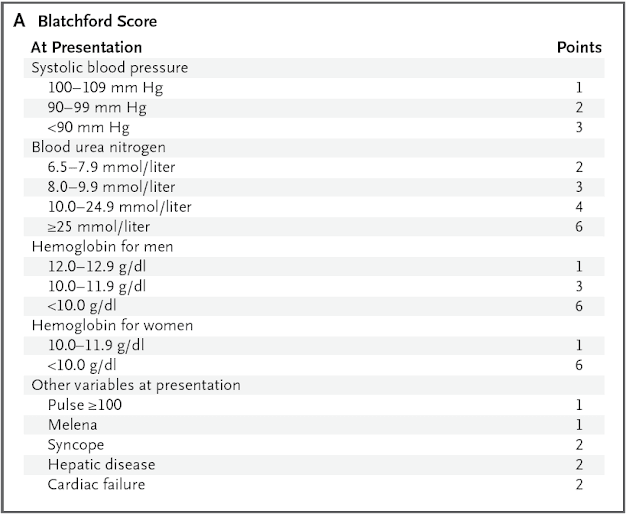
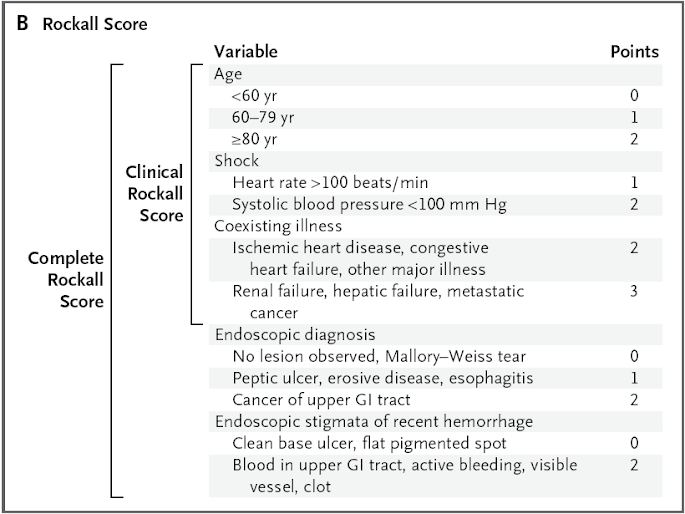
    8. Perform risk stratification; consider the use of a scoring tool (e.g., Blatchford score or clinical Rockall score) before and (e.g., complete Rockall score) after endoscopy.

    Predictors of failure of endoscopic treatment
    • history of peptic ulcer disease
    • previous ulcer bleeding
    • presence of shock at presentation
    • active bleeding during endoscopy
    • large ulcers (>2 cm in diameter)
    • large underlying bleeding vessel (2 mm in diameter)
    • ulcers located on the lesser curve of the stomach or on the posterior or superior duodenal bulb
    Repeat endoscopy may be considered on recurrent bleeding or if there is uncertainty regarding the effectiveness of hemostasis during the initial treatment.

    Surgery remains an effective and safe approach for treating uncontrolled bleeding (i.e., those in whom hemodynamic stabilization cannot be achieved through intravascular volume replacement using crystalloid fluids or blood products) or patients who may not tolerate recurrent or worsening bleeding.

    Angiography with TAE is reserved for patients in whom endoscopic therapy has failed, especially if such patients are high-risk surgical candidates.

    2010年8月15日 星期日

    The STOP Sepsis Bundle


    Strategies to Timely Obviate the Progression of Sepsis in the Emergency Department

    SIRS (Systemic Inflammatory Response Syndrome) 的定義:
    1. Temp < 36 ° C or  > 38.3 ° C
    2. HR > 90
    3. RR > 20 or PCO2 < 32
    4. WBC < 4K or > 12K or bands > 10%
         以上符合兩項(含)以上

    Sepsis 敗血症的定義:
         SIRS +Infection

    Severe Sepsis 嚴重敗血症的定義:
    • Sepsis + Organ Dysfunction
    • Elevated Creatinine (>2)
    • Elevated INR (DIC)
    • Altered Mental Status (GCS <12)
    • Elevated Lactate (>4)
    • Hypotension that responds to fluid
    Septic Shock 敗血性休克的定義:
         Hypotension that does NOT respond to fluid (500 cc bolus)

    敗血症 EGDT 流程啟動時機:
    • SIRS:符合兩項以上
    • 疑似感染或有陽性培養
    • 經靜脈罐注後SBP < 90mmHg 或MAP < 65mmHg或 lactate ≧ 36 mg/dl或一種以上器官急性機能失調
    STOP Bundle Strategies 執行目標
    • 2小時內啟用血流動力監測 (CVP/ScvO2)
    • 4小時內投予廣效抗生素
    • EGDT流程啟動6小時內達成下列目標:CVP ≧ 8 mmHg, MAP ≧65 mmHg, ScvO2≧70%
    • 監測乳酸是否下降;如使用升壓劑,考慮使用 steroid
    • APACHE II≧25 且/或多器官衰竭者,考慮使用 rhAPC

    延伸閱讀  SSC Surviving Sepsis Guidelines 2008

    2010年8月9日 星期一

    美國急診檢傷系統 簡介


    The Emergency Severity Index, ESI, V4

    評估內容包括:呼吸道穩定性、心臟功能、意識程度、疼痛強度、資源介入需求數量

    急診檢傷依照病患的緊急度分為兩層:第一層為需立即看診(一、二級),第二層為可等待看診(三、四、五級)
    分類決策過程為

    一、「病患是否即將死亡」,決定因子包含兩個問題:
    1. 患是否插管、無呼吸、無脈搏?
    2. 病患無反應?

    結果若歸屬以上其中一項,則進入一級。若不歸屬於一級,則進入下一步決策點

    二、「病患是否不能等待」,決定因子包含三個問題:
    1. 是否處於高危險病況?
    2. 病患是否意識混亂、嗜睡或去方向感?
    3. 是否有嚴重疼痛?
    結果若歸屬以上其中一項,則進入二級,若不歸屬於二級,則依循下一步決策點 

    三、「病患需要多少醫療資源耗用以及「生命徵象如何

    當病患檢傷分類不歸屬於一、二級時,進一步評估「預期醫療資源耗用情形(如抽血、X-ray、靜脈注射、會診等)
    1. 若需求多於兩項醫療資源耗用,則判定三級
    2. 若生命徵象不穩定,如心跳、呼吸、血氧濃度為異常數值,則檢傷級數須轉為二級
    3. 預期醫療資源耗用僅一項,則判定四級
    4. 若無,則判定五級


    相關文章
    台灣急診五級檢傷系統
    加拿大急診檢傷系統 簡介

    2010年8月6日 星期五

    AHA/ASA Guidelines for Ischemic Stroke


    AHA/ASA Guidelines for the Early Management of Adults with Ischemic Stroke
     Stroke. May 2007;38:1655-1711

    急性缺血性腦中風時,如收縮壓在 220 mmHg以下或舒張壓在 120 mmHg以下時,可以不需要立即藥物治療 (D, level 3)

    降血壓可能使腦部的灌流壓力不足,加重腦缺血,所以一般建議,收縮壓在 220 mmHg或舒張壓在 120 mmHg以上才考慮給予降血壓治療。除非病人在發作3小時內需血栓溶解治療,且收縮壓仍在 185 mmHg或舒張壓在 110 mmHg以上時。

    至於血栓溶解治療當中或之後,若收縮壓大於 180 mmHg或舒張壓大於 105 mmHg即需立即加以處理。

    美國中風學會建議 血糖超過 140 mg/dl 需給予胰島素治療。


    血栓溶解劑治療 (Thrombolysis 或稱 Fibrinolytic therapy)


    台灣衛生署已於2004年核准rt-PA治療急性缺血性腦中風

    用法與用量
    • 在症狀出現後的 3小時內,應儘速開始治療
    • 建議劑量 0.9 mg/kg (最大劑量為90 mg) 輸注(infusion) 60分鐘。總劑量的 10%為起始劑量,以靜脈注射 (IV bolus)投與
    一般性禁忌症
    • 目前或過去六個月內有顯著的凝血障礙、易出血體質
    • 病人正接受口服抗凝血劑 (如warfarin sodium)且prothrombin time (INR >1.3)
    • 中樞神經系統損傷之病史 (腫瘤、血管瘤、顱內或脊柱的手術)
    • 懷疑或經證實包括蜘蛛膜下腔出血之顱內出血或其病史
    • 嚴重且未被控制的動脈高血壓
    • 過去10天內曾動過大手術或有嚴重創傷 (包括最近之急性心肌梗塞所伴隨的任何創傷)、最近頭部或顱部曾發生創傷
    • 過久的或創傷性的心肺復甦術 (超過2分鐘)、分娩、過去10天內曾對無法壓制之部位施行血管穿刺 (如鎖骨下靜脈或頸靜脈穿刺)
    • 嚴重肝病,包括肝衰竭、肝硬化、肝門脈高壓 (食道靜脈曲張) 及急性肝炎
    • 出血性視網膜病變,如糖尿病性 (視覺障礙可能為出血性視網膜病變的指標) 或其他出血性眼疾
    • 細菌性心內膜炎,心包炎
    • 急性胰臟炎
    • 最近三個月內曾患胃腸道潰瘍
    • 動脈瘤,靜/動脈畸形
    • 易出血之腫瘤
    • 對本藥之主成份rt-PA或賦型劑過敏者
    rt-PA 用於急性缺血性中風另有下列之禁忌症(舊有建議)
    • 缺血性發作的時間已超過3小時或症狀發作時間不明
    • 急性缺血性中風的症狀已迅速改善或症狀輕微者
    • 臨床症狀太嚴重 (例如NIHSS>25) 及/或適當之影像術評估為嚴重之腦中風,如腦梗塞區超過 1/3、出血性梗塞或早期出現腦梗塞
    • 腦中風發作時併發癲癇
    • 最近三個月內有中風病史或有嚴重性頭部創傷
    • 過去曾中風及合併糖尿病
    • 中風發作前48小時內使用 heparin,目前病人活化部份凝血原時間 (aPTT) 之值過高
    • 血小板少於100,000/mm3
    • 收縮壓大於 185 mmHg或舒張壓大於 110 mmHg,或需要積極的治療(靜脈給藥)以降低血壓至前述界限以下
    • 血糖小於 50 mg/dL或大於 400 mg/dL
    • rt-PA不適用於治療孩童及未滿 18歲之青少年
    • rt-PA不適用於治療超過 80歲之老人
    參考資料
    台灣腦中風防治指引 2008

    2010年8月3日 星期二

    ATLS 8e, The Evidence for Change


    J trauma. Volume 64(6). June 2008.1638-1650

    ATLS 2008
    New Topic or New Change

    Airway
    Laryngeal tube airway (LTA)
    Gum Elastic Bougie
    Difficult airway (maxillofacial trauma, limited mouth opening and anatomical variation such as receding chin, overbite, or a short thick neck.)

    Fluid resuscitation

    The use of resuscitation fluids has been emphasized that if blood pressure is raised rapidly before the hemorrhage has been definitely controlled, increased bleeding may occur.
    Persistent infusion of large volumes of fluids in an attempt to achieve a normal blood pressure is not a substitute for definitive control of bleeding.

    In penetrating trauma with hemorrhage, delaying aggressive fluid resuscitation until definitive control may prevent additional bleeding.
    “Controlled resuscitation,” “Balanced Resuscitation,” “Hypotensive Resuscitation” and “Permissive Hypotension.”

    Treatment of cardiac tamponade

    Acute cardiac tamponade due to trauma is best managed by thoracotomy.
    Pericardiocentesis may be used as a temporizing maneuver when thoracotomy is not an available option

    ED thoracotomy
    A patient sustaining a penetrating wound, who has required CPR should be evaluated for any signs of life.
    If there are none and no cardiac electrical activity is present, no further resuscitative effort should be made.

    Hemo-dynamically abnormal pelvic fractures
    Intraabdominal sources of hemorrhage must be excluded or treated operatively.

    Canadian CT Head Rule for patients with minor head injury
    Minor head injury is defined as witnessed loss of consciousness, definite amnesia, or witnessed disorientation in a patients with a GCS score of 13–15
    • Failure to reach GCS of 15 within 2 h
    • Suspected open or depressed skull fracture
    • Any sign of basal skull fracture (haemotympanum, racoon eyes, cerebrospinal fluid otorrhoea/rhinorrhoea, Battle's sign)
    • Vomiting >2 episodes
    • Age >65 years
    • Amnesia before impact >30 min
    • Dangerous mechanism (pedestrian struck by motor vehicle, occupant ejected from motor vehicle, fall from height >3 feet or 5 stairs)
    Penetrating brain injury

    Blunt carotid and vertebral vascular injuries (BCVI)
    Suggested criteria for screening include:
    • C1–3 fracture
    • C -spine fracture with subluxation
    • Fractures involving the foramun transversarium
    CT evaluation of the cervical spine

    Atlanto-occipital dislocation
    Power's Ratio:
    A = C1 anterior arch,
    B = basion (anterior margin of foramen magnum),
    C = anterior portion of the posterior ring of C1,
    O = opsthion (posterior margin of foramen magnum).
    If BC/AO greater than 1,   anterior occipitoatlantal dislocation exists.