skip to main |
skip to sidebar
- High attenuation aortic hematoma in pre-contrast CT and hematoma relatively lower attenuation in contrast CT
- Mimic of aortic dissection
- Aneurysm with dissection flap in 2D echo
- Aortic dissection classification: DeBakey and Stanford Classifications


- Penetrating atherosclerotic ulcer
Reference:
2010 Guidelines on Thoracic Aortic Disease
Circulation. 2010;121:e266-e369
相關文章:
CT for Acute Aortic Syndrome
2010 ACCF/AHA/AATS/ACR/ASA/SCA/SCAI/SIR/STS/SVM Guidelines for the Diagnosis and Management of Patients With Thoracic Aortic Disease
Circulation 2010;121;e266-e369
Recommendations for Aortic Imaging Techniques
- For CT or MRI, the external diameter should be measured perpendicular to the axis of blood flow.
- For echocardiography, the internal diameter should be measured perpendicular to the axis of blood flow.
- The finding of aortic dissection, aneurysm, traumatic injury and/or aortic rupture should be immediately communicated to the referring physician.
Aortic Imaging Reports
- The location at which the aorta is abnormal.
- The maximum diameter of any dilatation, measured from the external wall of the aorta, perpendicular to the axis of flow, and the length of the aorta that is abnormal.
- For patients with presumed or documented genetic syndromes at risk for aortic root disease measurements of aortic valve, sinuses of Valsalva, sinotubular junction, and ascending aorta.
- The presence of internal filling defects consistent with thrombus or atheroma.
- The presence of intramural hematoma (IMH), penetrating atherosclerotic ulcer (PAU), and calcification.
- Extension of aortic abnormality into branch vessels, including dissection and aneurysm, and secondary evidence of end-organ injury (eg, renal or bowel
hypoperfusion).
- Evidence of aortic rupture, including periaortic and mediastinal hematoma, pericardial and pleural fluid, and contrast extravasation from the aortic lumen.
- When a prior examination is available, direct image to image comparison to determine if there has been any increase in diameter.
High Risk Conditions
- Marfan Syndrome
- Connective tissue disease
- Family history of aortic disease
- Known aortic valve disease
- Recent aortic manipulation (surgical or catheter-based)
- Known thoracic aortic aneurysm
- Genetic conditions that predispose to AoD
High Risk Pain Features
Chest, back, or abdominal pain features described as pain that:
- is abrupt or instantaneous in onset.
- is severe in intensity.
- has a ripping, tearing, stabbing, or sharp quality.
High Risk Examination Features
- Pulse deficit
- Systolic BP limb differential > 20mm Hg
- Focal neurologic deficit
- Murmur of aortic regurgitation (new or not known to be old and in conjunction with pain)
Initial Management
- IV β-blockade should be initiated and titrated to a target heart rate < 60 bpm non-dihydropyridine Ca channel-blockade should be used as an alternative for rate control if contraindications to β-blockade, If SBP > 120mmHg after heart rate control has been obtained, then ACEIs and/or other vasodilators should be administered to further reduce BP that maintains adequate end-organ perfusion.
- β-blockers should be used cautiously in the setting of acute aortic regurgitation because they will block the compensatory tachycardia.
- Vasodilator therapy should not be initiated prior to rate control so as to avoid associated reflex tachycardia that may increase aortic wall stress, leading to propagation or expansion of a thoracic aortic dissection.
AoD Evaluation Pathway
Acute AoD Management Pathway
Acute Surgical Management Pathway for AoD
Transthoracic Focused Rapid Echocardiographic Examination:
Real-Time Evaluation of Fluid Status in Critically Ill Trauma Patients
J Trauma. 2011;70: 56–64
FREE (Focused Rapid Echocardiographic Examination)
A. Parasternal long axis view
PLA is obtained between the 2nd and 6th intercostal space with the transducer notch facing the right shoulder
B. Parasternal short axis view
Rotated the echo probe 90 degrees
The classic “donut view” of the left ventricle is seen along with the RV
Tilting the probe allows imaging of the LV from the base to the apex
C. Apical four-chamber view
The probe is next placed along the left chest wall at the cardiac apex
D. Subxiphoid windows
Rroutine FAST and allows for evaluation of the IVC and pericardial effusions
Rotation of the probe counter clockwise opens the IVC in long axis
Once the IVC is visualized, M mode is used to better determine IVC diameter and collapsibiliy
- 發燒的定義:中心體溫 ≥ 38℃
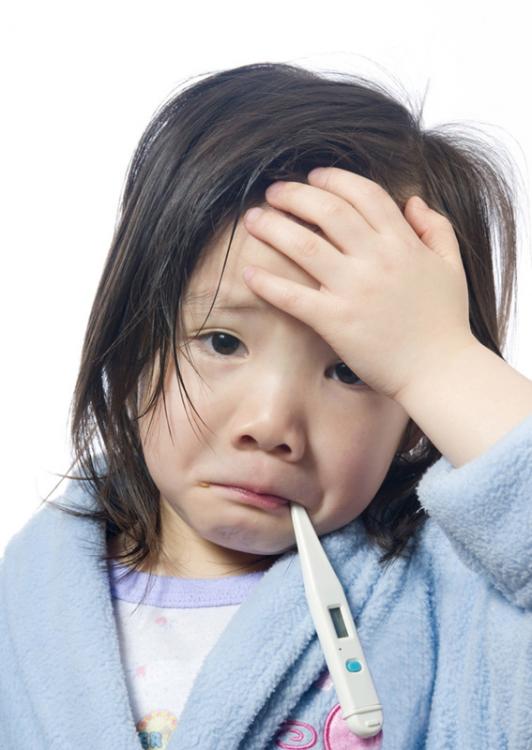 體溫的測量:肛溫最接近中心體溫,耳溫與肛溫的相關性很高,但三個月以下嬰兒的耳溫與中心體溫的相關性較差。一個月以下或體重很低的新生兒,不適合量肛溫或耳溫,可考慮量腋溫或背溫。
- 危險的病徵:體溫的高低不一定代表疾病嚴重度,兒童生病時,重要的是觀察有無重症的危險病徵。如果出現下列情形,儘速至兒科專科醫師診治:
- 三個月以下嬰兒出現發燒
- 尿量大幅減少
- 哭泣時沒有眼淚
- 意識不清,持續昏睡、未發燒時燥動不安、眼神呆滯痙攣、肌抽躍、肢體麻痺、感覺異常
- 持續頭痛與嘔吐
- 頸部僵硬
- 咳痰有血絲
- 呼吸暫停、未發燒時呼吸急促、呼吸困難、吸氣時胸壁凹陷
- 心跳速度太慢、心跳不規則
- 無法正常活動,例如不能爬樓梯、走小段路會很喘
- 皮膚出現紫斑
- 嘴唇、手指、腳趾發黑
 退燒的方法:冰枕、溫水拭浴等物理退燒法,並不會改變發炎反應引起體溫定位點的異常上升現象,所以不會有退燒效果,單純注射點滴也沒有退燒效果。各種退燒藥物中,除了阿斯匹靈不可用於18歲以下兒童之外,其他口服與塞劑均可於必要時適量使用。
- 後續的處理:一些民眾認為吃退燒藥後如果又燒起來,就表示醫師開的藥沒有效,會在去找其他醫師,造成醫療的浪費。事實上,各種退燒藥的效果都只能維持幾個小時,其目的在帶給兒童短暫的舒適。如果疾病的過程還沒結束,退燒以後又燒起來是很常見的事情。常見的呼吸道或腸胃道病毒感染,其中有些感染可能持續發燒達一週或甚至更久。家長必須注意有無第4項所列的危險病徵,並持續遵從醫矚追蹤治療。
資料來源:台灣兒科醫學會 2011年11月22日
相關文章:Fever in Children Younger Than 5 Years ﹝醫師版﹞