2012年8月28日 星期二

Acute Limb Ischemia


Acute Limb Ischemia
N Engl J Med 2012;366:2198-206

Symptoms
  • Pain
  • Paresthesia
  • Weakness or paralysis
Signs
  • Absent pulses
  • Pallor
  • Cool skin
  • Decreased sensation
  • Decreased strength
  • Limb blood pressure
Potential Causes
  • Thrombosis of artery or bypass graft
  • Embolism from heart or proximal vessel
  • Dissection
  • Trauma

Stages of Acute Limb Ischemia


Treatment
  • Endovascular Revascularization
  • Surgical Revascularization
  • Catheter-directed thrombolysis has the best results in patients with a viable or marginally threatened limb, recent occlusion (no more than 2 weeks’ duration), thrombosis of a synthetic graft or an occluded stent, and at least one identifiable distal runoff vessel.
  • Surgical revascularization is generally preferred for patients with an immediately threatened limb or with symptoms of occlusion for more than 2 weeks.


Algorithm for the Diagnosis and Treatment of Acute Limb Ischemia


Conclusions and Recommendations
  • Heparin should be administered as soon as the diagnosis has been made. 
  • In a patient with a viable or marginally threatened limb, imaging studies (duplex ultrasonography, CTA, or MRA) can be obtained to guide therapeutic decisions.
  • In a patient with an immediately threatened limb, such as the patient described in the vignette, emergency angiography followed by catheter-based thrombolysis or thrombectomy or open surgical revascularization is indicated to restore blood flow and preserve limb viability.


2012年8月21日 星期二

豪斯醫生


Foreman:  Isn't treating patients why we became doctors?
       我們當醫生,難道不是為了治療病人嗎?
House: No, treating illnesses is why we became doctors. Treating patients is what makes most doctors miserable.
      醫生之所以為醫生,是治療疾病,不是治療病人。
     治療病人是大部分醫師痛苦的根源。
          House M.D. Season 1 Episode 1 – Everybody Lies

豪斯聽到病人拒絕治療,想要有尊嚴而死時反駁:「想都別想!我們的身體會故障,可能是九十歲,可能在出生前,這躲不掉,而且其中沒有尊嚴。我不在乎你能不能走路、能不能看東西、能不能自己擦屁股,這些事總是醜陋的,向來如此。人可以活得有尊嚴,卻無法死得有尊嚴。」
(Season 1 Episode 1 – Everybody Lies)


台灣政府、一般大眾及部份所謂的醫界大老常要求醫院或醫療工作者要為國家社會犧牲奉獻,把醫療當作慈善工作,動輒將「醫德」的大帽扣在醫療工作者頭上,不但不切實際,而且也不合理。
個人急診行醫,常常被病患及家屬投訴態度冷漠、沒有醫德。
何謂醫德?是「視病猶親」的態度?
汽機車故障,你到車行修車,你希望車行的黑手對你噓寒問暖、閒話家常嗎?如果哪天你躺進醫院,你希望你的主治醫師是像豪斯醫師這樣的人物?還是很慈祥地握著你的手,卻一再做出錯誤診斷與處置的醫師呢?
半個世紀以前,受限當時的醫療技術,對大部分的疾病都束手無策,所以精神撫慰是當時醫師的主要任務。那時候,或許醫德比較重要;但時至今日,診斷和治療的正確與否才是決定病人死活的主要關鍵。
每位醫師自醫學養成教育開始,「醫德」這個緊箍咒便經由各種巧妙的方法戴在每位醫師頭上。如今一般民眾只要就醫過程稍不滿意,都會琅琅上口念上「沒醫德!」這個破咒。醫師若要有尊嚴的行醫,一定要自己把「醫德」這個緊箍咒從自己的頭上拿下。


公視
8月23日起 周一至周四 晚間11點 
即將播出 全新最後一季「怪醫豪斯 第八季」

相關文章:
豪斯語錄
House M.D.

急診十誡

2012年8月14日 星期二

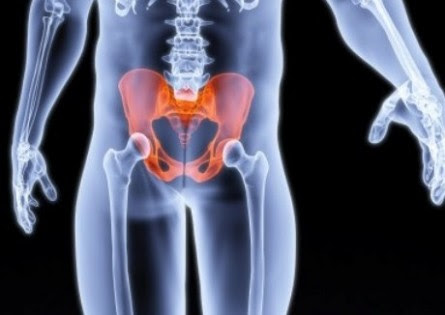
EAST Pelvic Fracture Guidelines


Eastern Association for the Surgery of Trauma Practice Management Guidelines for Hemorrhage in Pelvic Fracture—Update and Systematic Review

J Trauma. 2011;71: 1850–1868


Six specific questions are addressed regarding the management of pelvic fracture hemorrhage:

  1. Which Patients With Hemodynamically Unstable Pelvic Fractures Warrant Early External Mechanical Stabilization?

    • The use of a pelvic orthotic device (POD) does not seem to limit blood loss in patients with pelvic hemorrhage. Level III recommendation
    • The use of a POD effectively reduces fracture displacement and decreases pelvic volume. Level III recommendation

    • Which Patients Require Emergent Angiography?

      • Patients with pelvic fractures and hemodynamic instability or signs of ongoing bleeding after nonpelvic sources of blood loss have been ruled out should be considered for pelvic angiography/embolization. Level I recommendation
      • Patients with evidence of arterial intravenous contrast extravasation in the pelvis by CT may require pelvic angiography and embolization regardless of hemodynamic status. Level I recommendation
      • Patients with pelvic fractures who have undergone pelvic angiography with or without embolization, who have signs of ongoing bleeding after nonpelvic sources of blood loss have been ruled out, should be considered for repeat pelvic angiography and possible embolization. Level II recommendation
      • Patients older than 60 years with major pelvic fracture (open book, butterfly segment, or vertical shear) should be considered for pelvic angiography without regard for hemodynamic status. Level II recommendation
      • Although fracture pattern or type does not predict arterial injury or need for angiography, anterior fractures are more highly associated with anterior vascular injuries, whereas posterior fractures are more highly associated with posterior vascular injuries. Level III recommendation
      • Pelvic angiography with bilateral embolization seems to be safe with few major complications. Gluteal muscle ischemia/necrosis has been reported in patients with hemodynamic instability and prolonged immobilization or primary trauma to the gluteal region as the possible cause, rather than a direct complication of angioembolization. Level III recommendation
      • Sexual function in males does not seem to be impaired after bilateral internal iliac arterial embolization. Level III recommendation 
       
    • What Is the Best Test to Exclude Intra-Abdominal Bleeding?

      • Focused Assessment with Sonography for Trauma (FAST) is not sensitive enough to exclude intraperitoneal bleeding in the presence of pelvic fracture. Level I recommendation
      • FAST has adequate specificity in patients with unstable vital signs and pelvis fracture to recommend laparotomy to control hemorrhage. Level I recommendation
      • Diagnostic peritoneal tap (DP)/Diagnostic peritoneal lavage (DPL) is the best test to exclude intra-abdominal bleeding in the hemodynamically unstable patient. Level II recommendation 
      • In the hemodynamically stable patient with a pelvic fracture, CT of the abdomen and pelvis with intravenous contrast is recommended to evaluate for intra-abdominal bleeding regardless of FAST results. Level II recommendation
       
      1. Are There Radiologic Findings Which Predict Hemorrhage?

        • Fracture pattern on pelvic X-ray does not single-handedly predict mortality, hemorrhage, or the need for angiography. Level II recommendation
        • Presence/location of hematoma does not predict or exclude the need for angiography and possible embolization. Level II recommendation
        • CT of the pelvis is an excellent screening tool to exclude pelvic hemorrhage. Level II recommendation
        • Absence of contrast extravasation on CT does not always exclude active hemorrhage. Level II recommendation 
        • Pelvic hematoma 500 cc in size has an increased incidence of arterial injury and need for angiography. Level II recommendation
        • Isolated acetabular fractures are as likely to require angiography as pelvic rim fractures. Level III recommendation 
        • If a retrograde urethrocystogram is required, it should be performed after CT with intravenous contrast. Level III recommendation
         
      2. What Is the Role of Noninvasive Temporary External Fixation Devices?

        • TPBs effectively reduce unstable pelvic fractures as well as definitive stabilization and decrease pelvic volume. Level III recommendation
        • TPBs may limit pelvic hemorrhage but do not seem to affect mortality. Level III recommendation
        • TPBs work as well or better than emergent EPF in controlling hemorrhage. Level III recommendation 
         
      3. Which Patients Warrant Retroperitoneal (Preperitoneal) Packing?

        • Retroperitoneal pelvic packing is effective in controlling hemorrhage when used as a salvage technique after angiographic embolization. Level III recommendation
        • Retroperitoneal pelvic packing is effective in controlling hemorrhage when used as part of a multidisciplinary clinical pathway including a POD/C-clamp. Level III recommendation

      2012年8月6日 星期一

      台灣最大刑事犯罪集團?


      台灣自2000年起,醫療糾紛鑑定案件平均每天超過一件
      衛生署醫事審議委員會統計,每年受理委託醫事鑑定案件數逐年增加,自民國76年145件到100年547件,20多年共受理7,726件,其中有八成是刑事訴訟案件。
      資料來源:行政院衛生署醫事處


      自2000年1月1日至2008年6月30日,台灣地方法院共有312位醫師因刑事案件被起訴
      平均每10.5天就有一位醫師因刑事案件被起訴
      平均每38.8天就有一位醫師因刑事案件被定罪
      台灣醫師的「有罪率」世界第一,竟高達四分之一(25.6%)
      資料來源:台灣法院刑事醫療糾紛判決之實證研究


      台灣去年有10位醫師被判刑
      平均每36.5天就有一位醫師被判刑
      以人口比例計算,台灣醫師被刑事起訴的機率是日本的13倍、美國的400倍
      以醫師人數比例計算被判刑的機率,台灣是日本與德國的7倍以上
      台灣醫師儼然成為世界第一黑幫!
      中央社新聞:醫療糾紛引寒蟬 學者籲修法


      2012年 8月 29日 更新補充:
      《Global Voices 全球之聲 英文版》網站 於8月28日
      探討台灣健保危機 Taiwan: ‘National Health Insurance' System in Crisis 文章中,節錄翻譯本文
      「台灣自2000年起,醫療糾紛鑑定案件平均每天超過一件…其中有八成是刑事訴訟案件。平均每10.5天就有一位醫師因刑事案件被起訴。平均每38.8天就有一位醫師因刑事案件被定罪。台灣醫師的「有罪率」世界第一,竟高達四分之一(25.6%)。」
      Since 2000, there has been more than one lawsuit for medical malpractice per day in Taiwan…80% of them are criminal suits. On average, one medical doctor is prosecuted in a criminal lawsuit every 10.5 days. On average, one medical doctor is declared as guilty in these criminal suits every 38.8 days. The “conviction rate” of medical doctors in Taiwan is 25.6%, the highest in the world.
      《Global Voices 全球之聲:台灣全民健保危機 繁體中文版》